
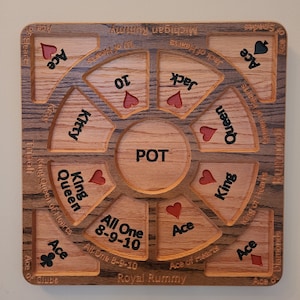
Navigating the World of Rummy: From Traditional Boards to Digital Tables
Rummy, a card game steeped in history and enjoyed by millions worldwide, seamlessly blends skill, strategy, and a dash of luck. Whether played around a table with a physical deck of cards or virtually on a screen, the allure of forming melds and sequences remains timeless. This article delves into the exciting realm of rummy, exploring its evolution from traditional board games to online platforms like those found on YouTube, while also examining the rules of the popular variant, Rummy Royal.
Rummy Royal: A Game of Skill and Strategy
Rummy Royal stands out as a beloved variation of the classic rummy game, renowned for its dynamic gameplay and strategic depth. This section will delve into the fundamental rules that govern Rummy Royal, providing a comprehensive understanding for both novice and seasoned players:
Objective:
The primary objective in Rummy Royal, like most rummy variants, is to be the first player to empty your hand of all cards by forming valid melds and sequences. A meld consists of three or more cards of the same rank but different suits (e.g., 7 of hearts, 7 of diamonds, 7 of spades), while a sequence comprises three or more cards of the same suit in consecutive rank (e.g., 5 of hearts, 6 of hearts, 7 of hearts).
Gameplay:
-
Dealing: Typically played with two decks of cards, the game commences with each player receiving a predetermined number of cards, usually between 10 to 13, depending on the number of players.
-
Drawing and Discarding: Players take turns drawing a card from either the stock pile (face down) or the discard pile (face up). After drawing, a player must discard one card from their hand, placing it face up on the discard pile.
-
Melding and Laying Off: As players form valid melds or sequences, they can “meld” them by placing the cards face up on the table. Players can also “lay off” cards from their hand onto existing melds, further reducing their hand size.
-
Going Out: To win a round, a player must “go out” by melding all their cards and discarding their final card.
Scoring:
Scoring in Rummy Royal can vary, but a common system assigns penalty points to cards left in a player’s hand when an opponent goes out. Cards generally hold their face value, with face cards (Jack, Queen, King) worth 10 points each and Aces holding a value of either 1 or 11, depending on the player’s preference. The player who goes out first scores zero points for that round, while others receive penalty points based on their remaining cards.
The Rise of Online Rummy and “Royal Rummy YouTube”
With the advent of the internet and the proliferation of online gaming platforms, traditional card games like rummy have found a new lease on life. Searching for “royal rummy YouTube,” for example, reveals a vibrant online community dedicated to this popular card game. Let’s explore the factors driving the popularity of online rummy and the role platforms like YouTube play:
Accessibility and Convenience:
Online platforms have democratized access to rummy, making it readily available to anyone with an internet connection. Players can indulge in their favorite pastime anytime, anywhere, without the constraints of physical location or gathering players.
Variety and Game Modes:
Online platforms offer a diverse range of rummy variants, catering to all preferences. Players can explore different rule sets, try out new strategies, and participate in tournaments for added excitement.
Community and Interaction:
Websites and apps dedicated to online rummy often foster a sense of community. Players can connect with fellow enthusiasts, participate in forums, and even compete against each other in real-time.
YouTube’s Role in the Rummy Ecosystem:
YouTube has become an integral part of the online rummy experience, serving as both an educational and entertainment platform:
- Tutorials and Strategy Guides: Countless videos on YouTube offer in-depth tutorials for beginners, explaining the rules, strategies, and nuances of different rummy variants.
- Gameplay Videos: Many content creators stream their rummy gameplay, providing insights into their decision-making processes and showcasing advanced techniques.
- Community Building: The comment sections of rummy-related videos often serve as hubs for players to interact, share tips, and discuss the game.
“Invite 3 Friends and Get ₹5,000 Cash Reward”: A Glimpse into Referral Programs
Many online rummy platforms utilize referral programs as a marketing strategy to attract new players and expand their user base. The concept of “Invite 3 Friends and Get ₹5,000 Cash Reward” exemplifies this approach, offering enticing incentives to both the referrer and the referred friends:
Benefits for Players:
- Financial Rewards: Referral programs provide players with an opportunity to earn extra cash or bonuses simply by introducing the game to their friends.
- Enhanced Gaming Experience: Referring friends can lead to more frequent game nights and a livelier gaming experience.
Benefits for Platforms:
- Increased User Base: Referral programs serve as a cost-effective way to acquire new players organically through word-of-mouth marketing.
- Enhanced Brand Loyalty: Rewarding existing players for referrals can foster a sense of loyalty and encourage continued engagement with the platform.
Conclusion:
Rummy, in all its forms, continues to captivate card game enthusiasts across generations. From traditional board games enjoyed among friends to the digital tables found online, the core elements of skill, strategy, and camaraderie remain central to the game’s enduring appeal. Platforms like YouTube contribute significantly to this evolving landscape, offering valuable resources and fostering a vibrant online community. As technology advances and the popularity of online gaming continues to surge, it’s safe to say that the world of rummy will keep evolving, offering new and exciting ways to experience this captivating card game.