
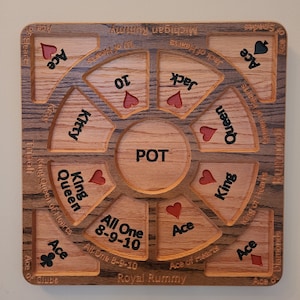
Delving into the World of Royal Games: Rummy Royal vs. Tripoley
For decades, card games have served as a primary source of entertainment, bringing people together around tables filled with laughter, strategy, and friendly competition. Among these beloved games, Rummy Royal stands as a shining example of classic card play, its popularity enduring through generations. This article aims to delve into the intricacies of Rummy Royal, comparing it to a similar game, Tripoley, and highlighting its enduring appeal.
Understanding Rummy Royal: A Fusion of Skill and Chance
Rummy Royal, as the name suggests, elevates the traditional rummy experience with its unique blend of skill-based melding and exciting card combinations. The game involves multiple rounds, each centered around achieving specific melds – sets of three or four cards of the same rank or sequences of three or more cards of the same suit.
Unlike standard rummy, Rummy Royal introduces “Royal” melds, which require more complex combinations for higher point payouts. These Royal melds often become the game-changer, demanding careful strategy and a keen eye for potential combinations.
Rummy Royal vs. Tripoley: Similarities and Distinctive Elements
Both Rummy Royal and Tripoley fall under the umbrella of “combination rummy” games, sharing a focus on melding cards for points. However, several key distinctions set them apart:
-
Structure and Gameplay: Rummy Royal is generally structured around pre-determined meld combinations, with players working to achieve those melds within each round. Conversely, Tripoley boasts a more fluid structure, often incorporating elements of poker betting rounds into the game, adding another layer of strategy and risk-taking.
-
Game Components: While both games utilize standard playing cards, Tripoley traditionally involves a specialized game board, chips for betting, and sometimes a unique deck with jokers or wild cards. Rummy Royal, in its purest form, relies solely on a standard deck of cards.
-
Overall Complexity: Rummy Royal, despite its Royal melds, tends to be easier to grasp for beginners. Tripoley, with its integration of poker elements and the added layer of betting, can pose a steeper learning curve.
Why Rummy Royal Continues to Captivate:
Despite the rise of digital gaming, Rummy Royal remains a beloved choice for card enthusiasts of all ages. Its enduring appeal stems from:
-
Easy to Learn, Challenging to Master: The basic rules of Rummy Royal are straightforward, allowing for quick learning and engagement even for novices. Yet, the depth of strategy involved in forming Royal melds, managing one’s hand, and anticipating opponents’ moves provides endless challenge and replayability.
-
Social and Interactive Gameplay: Like many card games, Rummy Royal fosters social interaction and friendly competition. The dynamic nature of the game, with constantly shifting hands and unexpected twists, keeps everyone engaged and entertained.
-
Adaptability and Variations: Over the years, numerous variations of Rummy Royal have emerged, each offering a unique twist on the core gameplay. This adaptability ensures that the game remains fresh and exciting, catering to diverse preferences.
In conclusion, Rummy Royal stands as a testament to the enduring appeal of classic card games. Its unique blend of skill, strategy, and a touch of luck continues to enthrall players across generations. Whether you’re a seasoned card shark or a curious beginner, Rummy Royal offers an engaging and rewarding gameplay experience that is sure to keep you entertained for hours on end.